Attractions in Rapla County

The twin-towered church and the colourful history of the manor house, the tracks of the savages and the ancient forts. Let Raplamaal tell your story!
Found 19 records

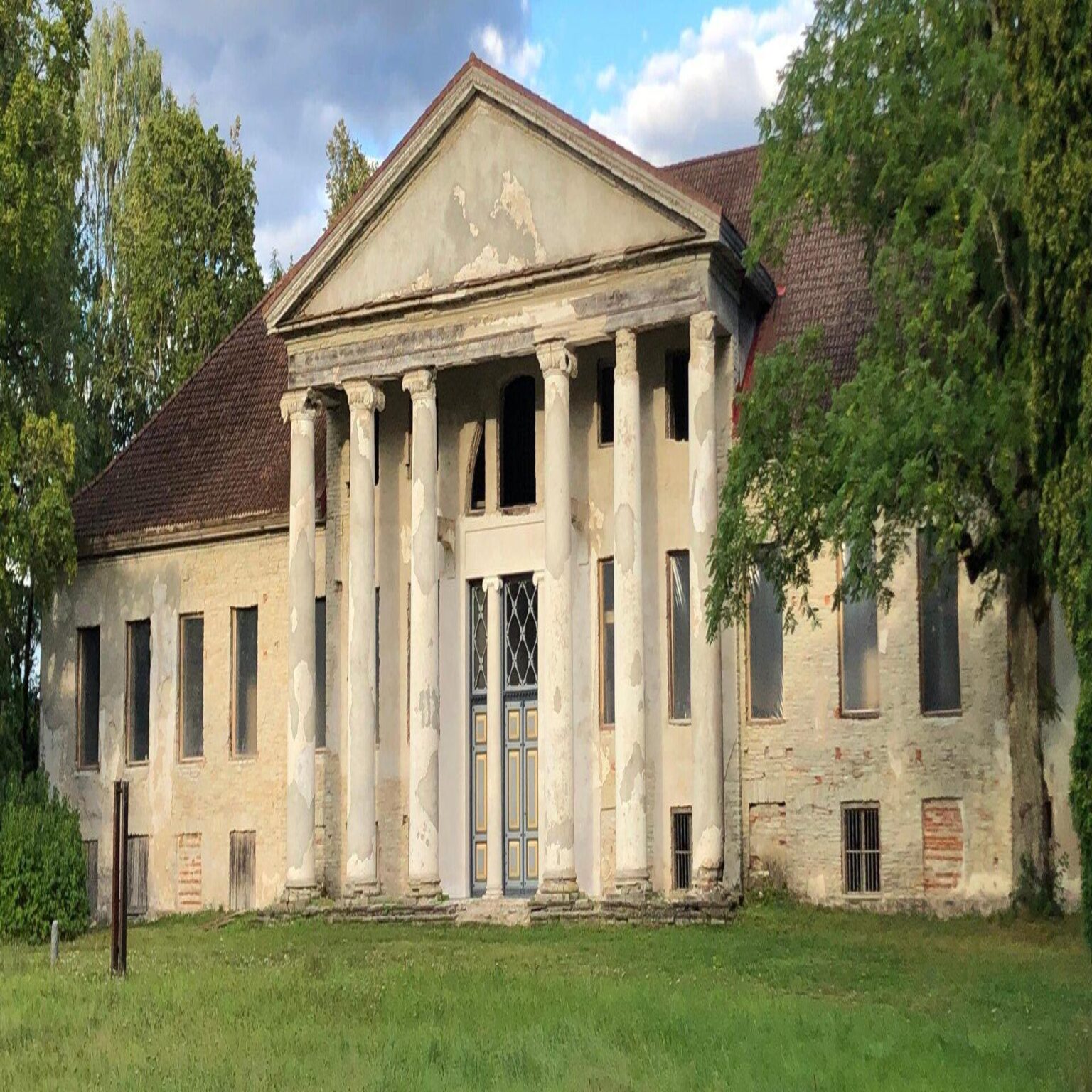
Raikküla Manor

The manor building at Raikküla is one of the most beautiful examples of classical architecture in Estonia.

It was one of the main gathering places for Baltic-German barons and it is known as the family manor of the world-famous philosopher Hermann von Keyserling.
The manor library is the largest manor library in Estonia. In the castle hall, you can enjoy a book exposition.
Good to know:
– Prussian Chancellor Otto von Bismarck once visited the estate.
– The first rock garden in Estonia was established here by naturalist Alexander Keyserling.
– Book fairs and summer performances are now held at the estate.
– The fully renovated rear stairway of the manor building forms the perfect concert venue.

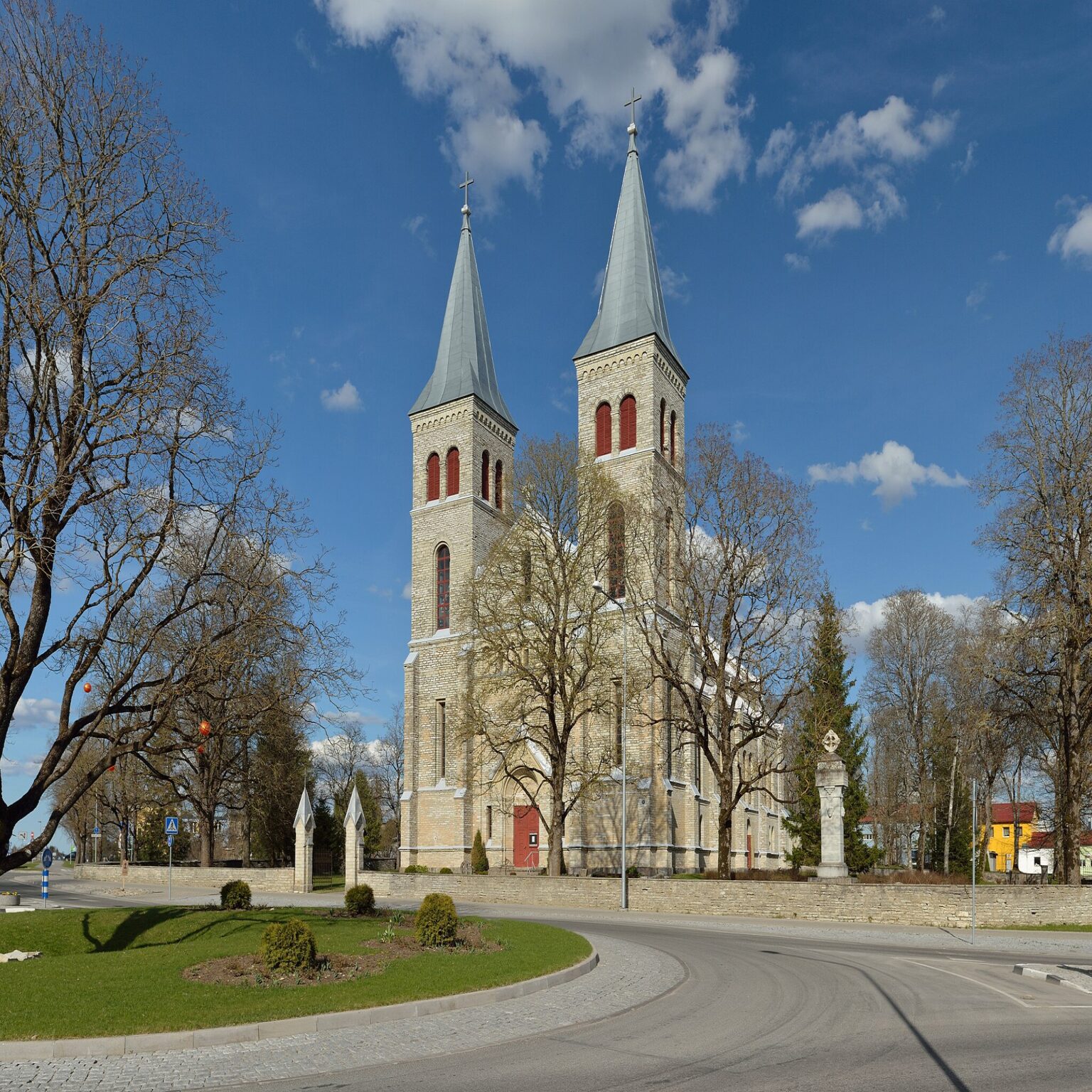
Rapla Maarja-Magdaleena Church

Rapla Church is the only rural church in Estonia with two towers.
The current Neo-Romanesque style building, consecrated in 1901, was designed by Baltic German architect Rudolf von Engelhardt and is one of the finest examples of this style in Estonia.
The pulpit and altar were crafted in the workshops of Christian Ackermann and Quirinnius Rabe.
The limestone building can accommodate 3,000 people. In the church, you can hear an organ made by Estonia’s renowned organ builders, the Kriisa brothers.

In the churchyard, you can see 17th-century ring crosses and the War of Independence monument designed by Estonian sculptor Jaan Koort.
Okta Centrum

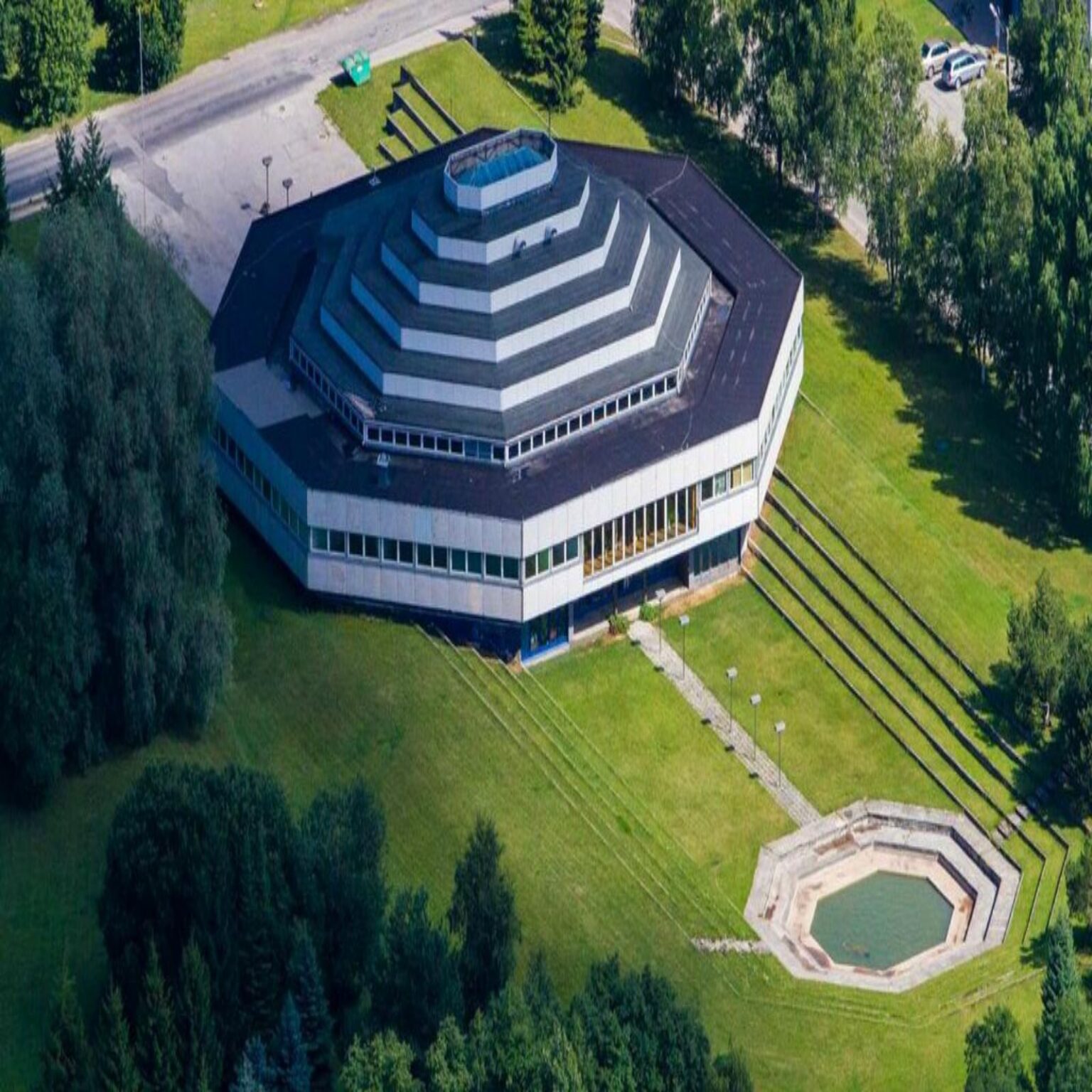
Discover this UFO-like architectural gem completed in 1977 in Rapla County!

This unique building located in the town of Rapla is a true monument to Soviet-era architecture, resembling a landed UFO with its bold design. Everything in the building centers on the octagon, from the floor plan to small details like trash cans. The octagonal pond next to the building creates a striking spatial reflection and complements its architectural charm. The designers of Okta Centrum, which is recognized as an Estonian cultural monument, are Toomas Rein and Aulo Padar.

Today, the house stands empty and can be viewed from the outside. With prior agreement, access to the interior is possible. Okta Centrum’s hall is perfect for hosting special events, seminars, and conferences, and can accommodate up to 300 people.

Come and discover this unique architectural marvel that embodies the spirit of the era and bold design, and awaits its next opportunity.

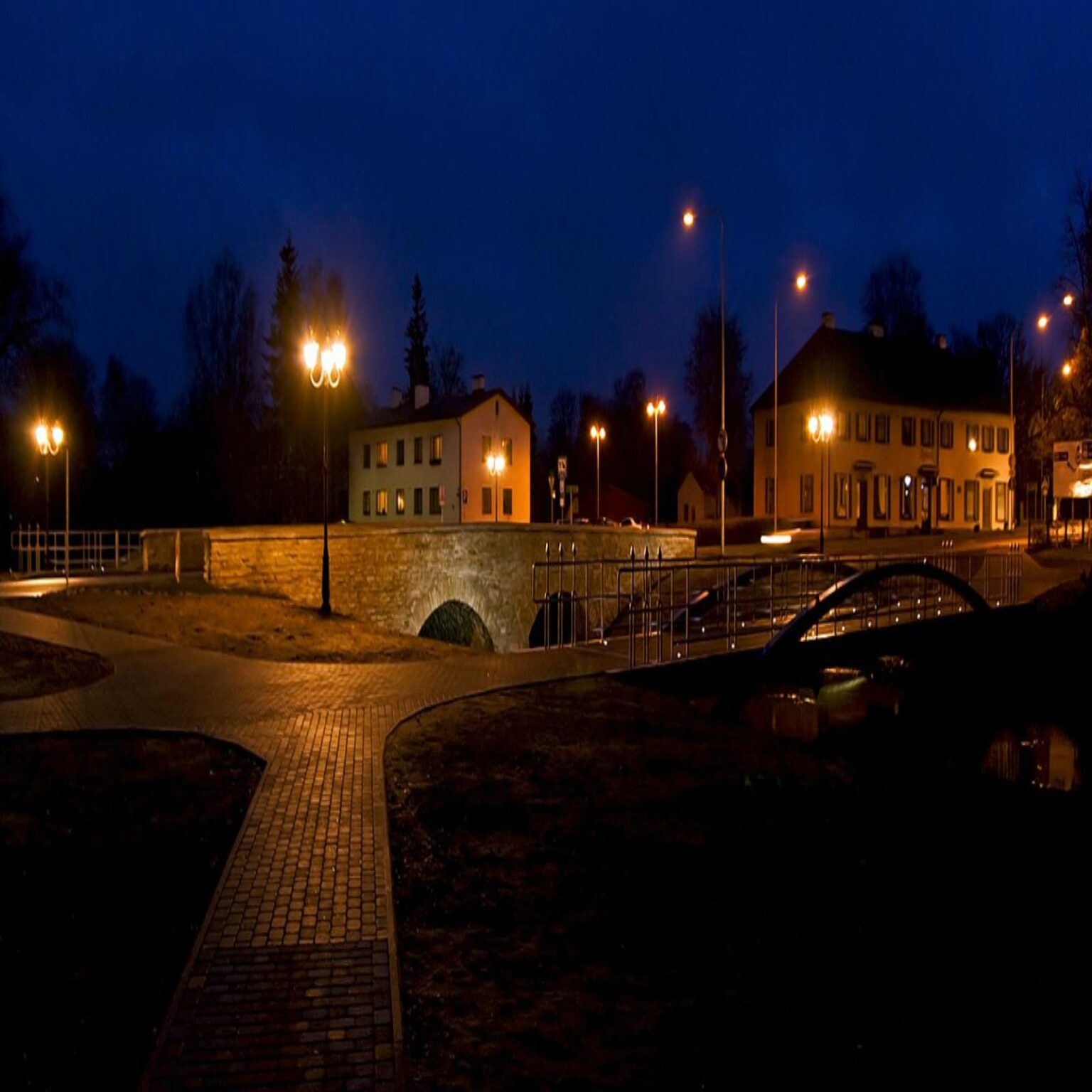
Rapla stone bridge

The Rapla stone bridge over the Vigala River was built in the late 19th century to replace an old wooden bridge. This renovated double-deck bridge is unique in Estonia – in 2009, a new reinforced concrete bridge was constructed above the historic one without resting on the old structure.

The bridge is 27.5 meters long and 8 meters wide, located near the church. The two-arched bridge with round vaults is made of limestone, while the icebreaker nose is built from granite. As a symbol on the coat of arms of Rapla Parish, the bridge holds significant cultural heritage value.

According to folklore, mermaids can be spotted in the Vigala River. Do you dare to come and discover them?

Velise Apostolic Orthodox church

The Velise church was built based on the design of Ervin Berhard. Stonemasons were brought in from the Lake Peipus area. The richness of decoration, which is characteristic of Russian architecture, was toned down to fit in with the Estonian culture through a skilled use of colour contrast between bricks and fieldstones.

Did you know?
*The Velise congregation was the first to be founded in what is now Rapla County during the period of active Russification.
*15,000 roubles were allocated from the budget of the Russian empire for the construction of the church.
*In 1889, the church was consecrated to John the Baptist.
*The church sometimes hosts concerts.
*The ‘swing island’ behind the church is an ideal place to picnic and relax.

Giidituur Kehtna vallas "Klaasipealinn Kõnnumaal"

Tule avastamisretkele Kehtna valda, Kõnnumaale!

Giidituuril tuvustab giid Kehtna valla elu-olu, räägib ajaloo vagudesse jälje jätnud silmapaistvatest inimestest, tähelepanu väärivatest hoonetest, klaasitootmisest ja Kõnnumaa looduse erilisusest.

Ringreis viib Sind metsade ja rabade vahele peitunud Kehtna ja Lelle alevikku, mis üllatavad heakorra ja auhinnatud kaunidusega. Jalutuskäik Mukri maastikukaitseala laudteedel annab võimaluse turbasamblalõhnalise rabamaastiku vaadete ja vaikuse keskel tunnetada Eestimaa looduse ürgset jõudu.

Päeva teine tipphetk on saabumine klaasipealinna ehk Järvakandi alevisse. Klaasimuuseumis saad ülevaate klaasitootmise ajaloost, meistrite töövõtetetest ning klaasitoomise tänapäevast. Kindlasti jääd rahule ka kohalikus söögikohas Cinema Cafe pakutava lõunasöögiga.

Kui otsid vaheldusrikast päeva, mille käigus on ühendatud kohalikud lood vaatamisväärsutega, looduse imelisusega ja ülevaatega klaasitoomisest, siis see giidituur on just Sulle!

Angerja vassal fortress ruins

The vassal fortress in Angerja was originally constructed in the 14th and 15th centuries, but was rebuilt and modernised several times thereafter.
Did you know…? *The Angerja fortress is one of the oldest stone structures in Rapla County *The vassal fortress is thought to have been destroyed during the Livonian War – only parts of its high walls remain today *People say that there is a secret tunnel beneath the fortress that runs all the way to Salutaguse manor

Church of the Ascension of Our Lord, Angerja

The cornerstone was laid on the Church of the Ascension of Our Lord in Angerja in 1899. It was built in accordance with the plans of architect Vladimir Lunski. Compared to the other Orthodox churches in Rapla County, the Angerja church overflows with Russian soul.
Did you know…? *During the Soviet era the church was used to store fertiliser *The church is home to one of Estonia’s contemporary iconic paintings *The Angerja church is one of very few Estonian Apostolic Orthodox churches in which a new iconostasis has been painted, including icons of all the saints

Loone stronghold

The Loone stronghold was constructed in ancient times on a natural hillock which was several metres high. It was protected on three sides by the Keila River.

According to the chronicles of Henry the Latvian, the village of Lohu (now Loone) was a place that marauding Crusaders often gathered between 1216 and 1223. The stronghold’s courtyard covered 6500 m², while the embankment around it was 300 metres long and up to 6 metres high in places.

This ancient place is perfect for picnics, and you can also go canoeing on the river.

Atla Mõisa ekskursioonid

Mõisa pererahvas tutvustab mõisa ajalugu ning seda, kuidas tänapäeval mõisas elatakse ja toimetatakse. Käiakse ka Mõisakeraamika tehases ja lõpuks saab ostelda meie Mõisakeraamika poes ning puhata hubases Atla Mõisa kohvikus. 

Eraldi on võimalik tellida ka ainult Mõisakeraamika tehase ekskursiooni, kus näitame kuidas valmivad Mõisakeraamika tooted.
Külastada saab ka Eesti Piparkoogi Muuseumi, kus tuvustame imelist piparkoogi ajalugu ning Atla mõisa Moosivabrikut, kus valmivad sinikuslapuu moosid.

Tule avasta Atla mõisa salapära!


Rapla-keskväljak-autor-Siim.Solman_

Rapla central square

2018. Rapla’s central square, opened in 2007, is part of the “EV 100” programme, which has resulted in central squares in several other Estonian cities besides Rapla. The central square is covered with concrete slabs on a level surface and features a flag field, a colourful fountain, cycle parking, a playground, seating areas and landscaping.

There is a cosy café called “Hollivuud Lounge” on the central square, and on Thursdays there is an “OTT” (producer-to-consumer) fair.

Okta Centrum Raplas. Foto Siim Solman

Octa Centrum

1977. Completed in 2005, the KEK building stands as a monument to Soviet-era architecture. The building resembles a landed UFO.

Interesting to know:

  • Everything in the building is octagonal – the floor plan and even the bins.
  • The octagonal pond, which appears to be a spatial reflection of the house, is effective.
  • The architects of the building are Toomas Rein and Aulo Padar.
  • During the Soviet era, people from all over the Soviet Union visited the special building.
kunstikeskuse+pilt1_

Raplamaa Centre for Contemporary Art

If you want to raise your artistic awareness and develop your creativity, you can learn new skills on our various art courses. We also organise a range of cultural and artistic events, training courses, workshops, study trips, create art projects and collaborate with other creative industries.

The Raplamaa Centre for Contemporary Art has grown out of the Rapla Art Society’s Art Workshop. Rapla KKK introduces Estonian contemporary art both in Estonia and abroad.

Our mission is art. If you’re an art lover too, come and let’s create new values together. Courses can be booked in advance. Open Tue-Fri 15-18 during exhibitions.